
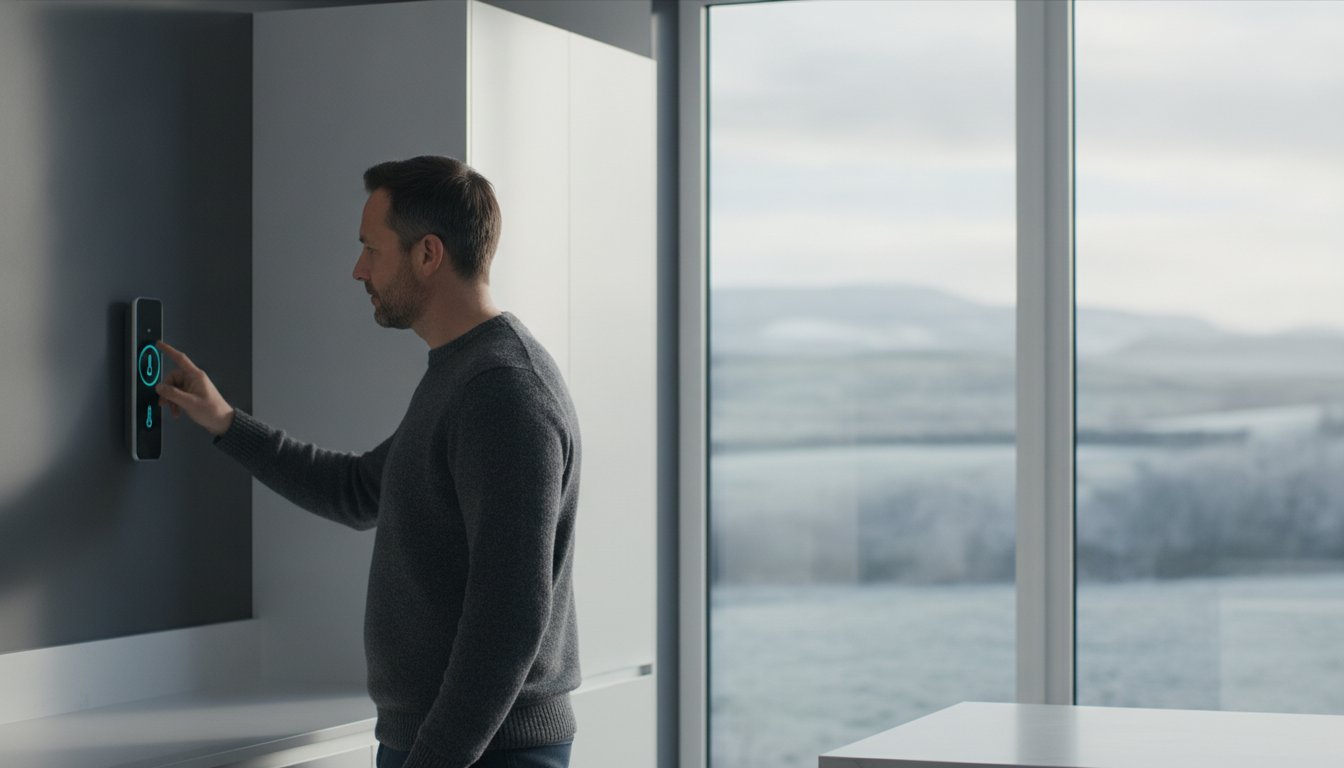
Winter Heating Preparation Scotland: The 2026 Homeowner’s Checklist
What if the most expensive day of your year isn’t Christmas, but the morning you wake up to a freezing house and a “service required” light on your boiler? It’s a scenario many homeowners in Moffat and Dumfries face as they look for ways on how to prevent boiler breakdown in winter before the frost hits. We understand that preparing for a Scottish winter is often a stressful task, especially with the energy price cap sitting at £1,862 for typical households. You want a home that stays warm without the constant worry of high bills or a sudden system failure.
This professional 2026 checklist ensures your home stays warm and efficient through the Scottish winter with our professional preparation guide. We’ll cover essential maintenance like power flushing, the latest smart thermostat technology, and how to access Scottish government grants for energy efficiency. You’ll gain a clear, step-by-step plan to ensure your heating system remains a reliable sanctuary all winter long.
Key Takeaways
- Start your winter preparation by September to stay ahead of the first frost and reduce the heavy strain on your heating system.
- Master a professional 5-step routine for checking system health and learn how to prevent boiler breakdown in winter through simple pressure management.
- Discover how power flushing removes internal sludge from your pipes to restore heating efficiency and lower your monthly energy costs.
- Protect your property from the risk of burst pipes by identifying and insulating vulnerable plumbing in unheated areas like lofts and garages.
- Prioritise safety and reliability by ensuring all maintenance is performed by a Gas Safe registered engineer with local expertise in South West Scotland.
Understanding the Scottish Winter Heating Season
While many national guides suggest the heating season begins in October, homeowners in South West Scotland know the chill often arrives by mid-September. The transition from a mild autumn to a biting frost can happen overnight in the Borders. Understanding how central heating systems work is the first step in realizing that your boiler doesn’t just rest during the summer; it can seize up from months of inactivity. With the 2026 energy price cap set at £1,862 for typical households, ensuring your system runs at peak efficiency is a financial necessity. There is a vast difference between a boiler that simply turns on and one that is optimized to handle a Scottish winter without wasting fuel.
Why Preparation Starts in Early Autumn
The “October Rush” is a real phenomenon in Moffat and Dumfries. As soon as the first frost hits, every heating engineer’s schedule fills up instantly. By starting your checks in September, you stay ahead of the crowd. This early window allows you to identify minor issues, like a slow-dripping valve or a faint whistling noise, before they escalate into an emergency. Knowing how to prevent boiler breakdown in winter starts with this proactive mindset. It’s the difference between a controlled, scheduled service and a panicked midnight call-out during a cold snap.
Common Heating Failures in South West Scotland
Our local climate presents unique challenges that can catch even the most diligent homeowner off guard. High winds and driving rain in the Borders can sometimes interfere with external flues, while sudden temperature drops frequently lead to frozen condensate pipes. This is one of the most common reasons modern boilers shut down unexpectedly. When the external pipe freezes, the boiler detects a blockage and enters a “lockout” mode for safety.
You might also notice pressure drops as the system begins to work harder after a long break. Here are the primary triggers we see in local homes:
- Frozen condensate pipes: These cause immediate system shutdowns in sub-zero temperatures.
- Air pockets: Trapped air in radiators prevents heat from circulating, forcing the boiler to work harder.
- Pressure loss: Cooling water contracts, which can cause your boiler to struggle if the pressure wasn’t topped up.
- Flue obstructions: Debris or moisture from Borders storms can affect the flue’s performance.
Essential Boiler and Central Heating Maintenance
Maintaining your heating system doesn’t have to be a technical mystery. A systematic approach is the best way to ensure reliability. If you’re wondering how to prevent boiler breakdown in winter, follow this five-step health check routine. First, check the pressure gauge; it should typically sit between 1 and 1.5 bar when the system is cold. Second, perform a visual inspection of your external flue to ensure no debris or nests are blocking the vent. Third, test your heating controls by turning the thermostat up to confirm the boiler fires up immediately. Fourth, listen for unusual noises like banging or whistling. Finally, feel your radiators for cold spots. These simple steps identify issues before they become expensive failures.
Topping up boiler pressure is a task most homeowners can handle safely. If the needle is in the “red” zone below 1 bar, your boiler might struggle to start or shut down entirely. Use the filling loop, usually located underneath the boiler, to carefully introduce more water into the system. Do this slowly and stop as soon as the needle reaches the 1.2 bar mark. If you find yourself topping up the pressure every few weeks, you may have a slow leak that requires professional attention.
The Critical Importance of an Annual Boiler Service
Professional maintenance is the single most effective way to ensure a trouble-free winter. While DIY checks are helpful, expert boiler servicing in Moffat provides a level of safety and technical depth a homeowner cannot achieve alone. A Gas Safe registered engineer will inspect internal components like the heat exchanger, burner, and seals for signs of wear or corrosion. They also perform vital combustion analysis to ensure your system isn’t producing dangerous levels of carbon monoxide. Most manufacturer warranties require a professional service record to remain valid, making this an essential investment for protecting your boiler’s lifespan.
Bleeding Radiators and Balancing the System
Air pockets are a primary cause of heating inefficiency. If your radiator is cold at the top but warm at the bottom, air is trapped inside and needs to be released. Use a radiator key to open the bleed valve until water begins to trickle out. This simple action allows hot water to fill the entire radiator, meaning your boiler doesn’t have to run as long to reach your desired temperature. For larger homes, balancing the system by adjusting Thermostatic Radiator Valves (TRVs) ensures that heat is distributed evenly across all rooms. If you notice persistent cold spots at the bottom of your radiators even after bleeding, you can book a professional inspection to check for internal sludge buildup.
Advanced Efficiency: Power Flushing and Smart Controls
Efficiency isn’t just about the boiler’s age; it’s about the health of the water circulating through your pipes. Over time, a black sludge known as magnetite builds up inside your radiators and pipework. This substance acts as an internal insulator, preventing heat from reaching the surface of your radiators. It forces your pump to work significantly harder, which is a leading cause of premature component failure. If you’re researching how to prevent boiler breakdown in winter, addressing this internal debris is vital. A power flush uses a specialized high-flow pump and cleaning chemicals to purge this sludge, restoring your system to its original efficiency and protecting the delicate heat exchanger inside your boiler.
Modern heating in 2026 has moved far beyond simple mechanical timers. Traditional controls often “overshoot” your target temperature, wasting gas and increasing bills. Weather-compensating smart controls are now the gold standard. These systems communicate with outdoor sensors or local weather data to adjust the boiler’s flow temperature automatically. When it’s a mild autumn day in the Borders, the boiler runs at a lower, more efficient temperature. When a cold snap hits, it ramps up precisely enough to keep you comfortable without burning excess fuel.
Is Power Flushing Necessary for Your System?
You can often diagnose the need for a power flush without any tools. If your radiators are warm at the top but remain cold at the bottom, or if your boiler makes a “kettling” whistling sound, sludge is likely the culprit. This buildup doesn’t just waste energy; it’s an abrasive material that can settle in your boiler’s most expensive parts. For a deeper look at system optimization, read our guide on improving heating efficiency in Dumfries. Cleaning your system from the inside out ensures that every penny you spend on gas actually reaches your living room.
Upgrading to Smart Thermostats for Energy Savings
Precision control is the easiest way to lower monthly heating bills. Smart thermostats allow you to manage your home’s climate from a smartphone, whether you’re at work or stuck in traffic. Features like geofencing are particularly useful for residents in Lockerbie or Annan who have unpredictable commutes. The system detects when your phone leaves a set radius and automatically lowers the temperature, ensuring you never heat an empty house. Most 2026 models are compatible with existing boilers, making this a straightforward upgrade that pays for itself through reduced energy consumption. This level of control is a cornerstone of how to prevent boiler breakdown in winter, as it prevents the system from running unnecessarily at high stress levels.

Protecting Your Home’s Plumbing Infrastructure
A heating system is only as reliable as the pipework that feeds it. While much of the focus on how to prevent boiler breakdown in winter remains on the unit itself, a single frozen pipe can cause an immediate system lockout. When water freezes, it expands, exerting enough pressure to split copper or plastic pipes. Once the thaw begins, the resulting leak causes a rapid drop in system pressure, forcing your boiler to shut down for safety. Protecting these vulnerable arteries is essential for maintaining a warm home during a Scottish cold snap.
Your first priority should be identifying pipes in unheated areas. Lofts, garages, and crawl spaces are the highest risk zones because they lack the ambient heat of your living areas. Don’t forget your outdoor tap. Disconnect garden hoses and shut off the internal valve to the outdoor tap before the first frost hits. Leaving a hose connected allows water to back up into the pipework, where it can freeze and cause a split behind the wall of your house, leading to a hidden and costly repair.
Pipe Lagging and Preventing Frozen Pipes
Lagging is a simple, cost-effective way to buy your plumbing extra time during sub-zero temperatures. For Scottish winters, standard thin foam often isn’t enough. Use high-quality polyethylene foam lagging with a wall thickness of at least 19mm for pipes in the loft. Pay special attention to your boiler’s condensate pipe. If this external pipe freezes, your boiler will shut down instantly. Insulating it with waterproof, UV-resistant lagging is a critical step in system reliability. If you suspect a pipe has already frozen, never use a blowtorch to thaw it; a hairdryer on a low setting or warm towels are far safer alternatives to prevent the pipe from bursting.
Draught-Proofing and Loft Insulation Basics
Thermal comfort depends on keeping the heat you’ve paid for inside your rooms. Older Dumfries properties often feature beautiful but draughty sash windows and original timber doors. Simple adhesive foam strips or brush seals can eliminate these cold spots for a few pounds. Check your loft insulation depth too. The current recommendation is 270mm of mineral wool to effectively trap heat. If you have underfloor heating, ensuring your sub-floor insulation is intact prevents heat from leaching into the ground. These measures reduce the workload on your boiler, extending its lifespan and lowering your energy bills. If you’re worried about old pipework or need professional advice on system safety, you can request a plumbing health check from our local team.
Professional Winter Preparation in South West Scotland
Regional expertise is the final piece of the winter preparation puzzle. From the exposed stone cottages in Moffat to the newer residential developments in Dumfries and Lockerbie, every property has a different thermal profile. A local expert understands how the high humidity of the Borders interacts with older masonry and modern heating components. This regional knowledge is a critical factor in how to prevent boiler breakdown in winter, as it allows for tailored solutions that go beyond generic manufacturer manuals. Our engineers assess the specific environmental stressors on your system, ensuring it is prepared for the unique frost patterns of the Southern Uplands and the driving rain often seen in Thornhill and Gretna.
Choosing a Gas Safe Registered Engineer in Moffat
Safety and technical authority must be your priority when selecting a service provider. Every engineer working on a gas appliance in the UK must be listed on the Gas Safe Register by law. You can verify an engineer’s credentials by checking their digital ID or searching the register with their unique license number. Choosing a local, family-owned business like Gas2Heat.com Ltd ensures you receive a high-standard service from specialists who have been operating in the region since 2017. If your existing unit is showing signs of terminal wear or constant inefficiency, you can request a professional quote for a new boiler installation in Dumfries or Moffat to ensure your home stays protected with the latest high-efficiency technology.
Emergency Repair Readiness and Landlord Duties
For property owners in Annan and Lochmaben, winter preparation involves specific legal obligations. If you rent out a property, you must prioritize obtaining your gas safety certificates before the heating season peaks. This annual check is a legal requirement that ensures all appliances are operating safely for your tenants and prevents liability issues during the coldest months. Beyond legal compliance, every homeowner should maintain an emergency readiness kit. This should include the contact details of your Gas Safe engineer, the location of your internal stopcock, and a basic guide on how to prevent boiler breakdown in winter through manual pressure adjustments. Securing a priority winter health check now is the most efficient way to remove uncertainty and guarantee a warm, hassle-free season for your household, whether you are located in the heart of Castle Douglas or a rural farmstead.
Secure Your Home’s Warmth Before the First Frost
Taking control of your heating system now is the most effective way to avoid the stress and expense of a mid-winter failure. We have explored how a combination of simple homeowner checks, advanced cleaning through power flushing, and smart technology can transform your home’s efficiency. These steps aren’t just about comfort; they are about long-term system health. Understanding how to prevent boiler breakdown in winter allows you to manage your energy costs effectively while the 2026 price cap remains a significant factor for Scottish households.
Relying on local expertise ensures that your maintenance is tailored to the specific demands of the South West Scotland climate. Our team of Gas Safe Registered Engineers remains dedicated to providing transparent, reliable service across Moffat, Dumfries, and the surrounding Borders. Book your expert boiler service with Gas2Heat.com Ltd today to secure your peace of mind before the snow arrives. A little preparation now ensures a warm, safe, and worry-free winter for you and your family.
Frequently Asked Questions
When is the best time to start winter heating preparation in Scotland?
The best time to start your preparation is mid-September before the first overnight frost hits the Borders. Starting early allows you to secure a convenient appointment with a local engineer before the seasonal rush begins in October. This proactive approach is a core part of how to prevent boiler breakdown in winter. It gives you enough time to fix minor leaks or pressure issues without the pressure of a freezing house.
How can I tell if my boiler needs a professional service before winter?
Look for warning signs like unusual banging or whistling noises, a slow response time, or a pilot light that appears yellow rather than blue. If your system requires frequent pressure top-ups or if your radiators have persistent cold spots, it’s time for a professional check. A Gas Safe registered engineer can identify internal wear that isn’t visible to the naked eye. This ensures your system remains safe and reliable throughout the colder months.
Will power flushing really lower my energy bills this winter?
Yes, power flushing can significantly lower your bills by removing magnetite sludge that blocks heat transfer. When your radiators are clean internally, your boiler doesn’t have to run as long or as hot to reach your desired temperature. This process restores the efficiency of your central heating system. It’s one of the most effective ways to reduce gas consumption while protecting your boiler’s most expensive internal components from abrasive debris.
What should I do if my condensate pipe freezes?
Use warm water or a heat pad to gently thaw the external pipe. Never use boiling water, as the extreme temperature change can crack the plastic. Once the blockage has melted, you’ll need to reset your boiler to clear the safety lockout code. To prevent this from happening again, consider fitting the pipe with UV-resistant, weatherproof lagging. This simple step is a vital part of how to prevent boiler breakdown in winter during sub-zero spells.
Can I install a smart thermostat on an older boiler system?
Most older boilers are compatible with modern smart thermostats like the tado° X or Nest Learning Thermostat. These devices use a receiver connected to the boiler’s wiring to provide precision control via your smartphone. Even an older system can see efficiency gains from features like geofencing and weather compensation. It’s a cost-effective way to modernize your heating without the expense of a full boiler replacement, providing better control over your energy usage.
What are the legal gas safety requirements for Scottish landlords in 2026?
Landlords in Scotland must possess a valid Landlord Gas Safety Record (CP12) for every gas appliance in their property. This inspection must be carried out annually by a Gas Safe registered engineer. You are legally required to provide a copy of this certificate to your tenants within 28 days of the check. These regulations are strictly enforced to ensure tenant safety. Failure to comply can lead to significant fines or even criminal prosecution.
How do I bleed my radiators if they have cold spots?
Turn your heating off and wait for the radiators to cool before you begin. Insert a radiator key into the valve at the top of the unit and turn it slowly anti-clockwise. You’ll hear a hissing sound as the trapped air escapes. Once water begins to trickle out, close the valve tightly. Remember to check your boiler pressure afterward, as bleeding radiators often causes the system pressure to drop slightly below the required level.
Is underfloor heating efficient enough for the Scottish climate?
Underfloor heating is highly effective in the Scottish climate when paired with high-quality sub-floor insulation. It operates at lower flow temperatures than traditional radiators, making it a very efficient choice for modern homes. Because it provides a consistent, radiating heat from the ground up, it eliminates cold spots and draughts. It’s particularly well-suited for stone-built properties in South West Scotland where maintaining a steady ambient temperature is often a challenge.

Leave a Reply
You must be logged in to post a comment.