
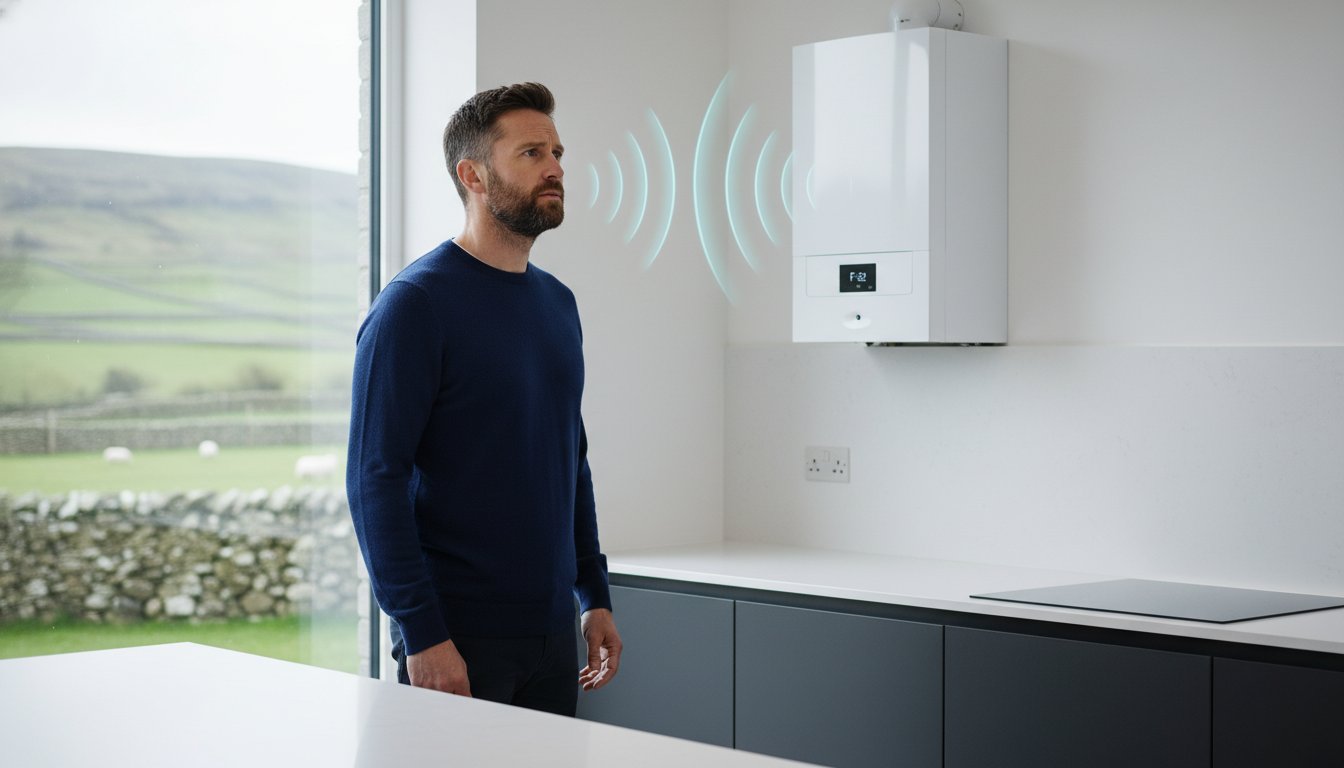
Boiler Making Loud Banging Noise? 2026 Guide to Causes and Fixes
What if the unsettling thud from your utility cupboard isn’t just a sign of age, but your heating system trying to tell you exactly where it’s failing? It is incredibly stressful when your boiler starts sounding like a drum kit, especially during a cold snap. You are likely worried about a total breakdown, the safety of your family, or the prospect of an expensive replacement you did not budget for. We understand that in a busy household, silence equals peace of mind.
This 2026 guide will help you decode why your boiler making loud banging noise is happening and show you how to restore quiet efficiency. You will learn to identify the difference between harmless air bubbles and more serious issues like “kettling” caused by limescale or sludge. We promise to help you determine which fixes you can handle with a simple descaler and when it is essential to call a Gas Safe registered engineer for a professional repair or power flush. By understanding the specific rhythm and location of these sounds, you can protect your system, ensure your home stays warm, and avoid the high cost of a full boiler replacement.
Key Takeaways
- Check for immediate safety hazards like gas odours or scorch marks before you begin troubleshooting.
- Identify why your boiler making loud banging noise occurs by pinpointing if the sound happens during startup or while running.
- Learn how limescale and central heating sludge cause “kettling” and what these issues mean for your boiler’s longevity.
- Follow our simple guide to bleeding radiators and adjusting pressure to see if you can resolve the issue yourself.
- Discover how a professional power flush can clear internal blockages and restore your system to quiet, efficient operation.
Understanding Why Your Boiler is Making a Loud Banging Noise
Hearing your boiler making loud banging noise is often the first sign that something is wrong inside the unit. Before investigating the mechanics, perform an immediate safety check. If you smell gas, see scorch marks on the casing, or notice a yellow flame instead of a crisp blue one, you must act. Turn off your gas supply at the meter immediately and open your windows. These signs suggest a serious combustion or ventilation issue that requires an urgent visit from a Gas Safe registered engineer.
Ignoring these sounds doesn’t just risk a total breakdown. It also hits your wallet. When a system struggles to move water or heat it effectively, it works harder and stays on longer. Research shows that older, poorly maintained boilers might only operate at 60% to 70% efficiency. This leads to significantly higher energy bills and puts unnecessary strain on expensive internal components. Understanding what a boiler is and how its components interact helps you spot these red flags before they become a crisis.
Is a Banging Boiler Dangerous?
Not every noise means an emergency, but you must distinguish between a mechanical clang and an explosive bang. A mechanical clang often points to a failing pump or a loose pipe bracket. However, a loud bang during the startup phase is far more concerning. This is often “delayed ignition.” It happens when gas builds up in the combustion chamber before the spark catches, causing a small explosion. This puts immense stress on the heat exchanger and can lead to dangerous cracks. If your boiler making loud banging noise occurs the moment it fires up, shut it down and seek professional boiler repairs.
The Physics of Boiler Noise
Most banging noises are caused by a phenomenon called kettling. Boiler kettling is the localized boiling of water on a scaled-up heat exchanger. When limescale or sludge coats the heat exchanger, it creates an insulating layer. The water trapped underneath this layer reaches boiling point and turns into steam bubbles. These bubbles then collapse as they move into cooler water, creating “mini-explosions” that resonate through your pipes like a boiling tea kettle.
Correct water flow rates are essential for a quiet home. If the pump isn’t pushing water through the heat exchanger fast enough, the water stays in contact with the heat source for too long. This creates the same steam-bubble effect. Maintaining the correct internal pressure is your first line of defence against these disruptive sounds.
Diagnosing the Sound: Timing and Location Analysis
To fix a boiler making loud banging noise, you need to act like a detective. The specific timing and location of the sound provide a clear map to the underlying fault. A sharp “crack” or “bang” the moment your boiler fires up usually indicates delayed ignition. This happens when gas builds up in the combustion chamber before the spark ignites it. It’s a safety risk that requires an expert to clean the burner or replace the electrodes immediately. Regular maintaining your boiler ensures these small ignition delays don’t turn into dangerous and expensive repairs.
If you hear a constant clanging or grinding, your central heating pump is likely the culprit. Bearings wear out over time, especially if sludge has entered the system and caused the internal components to seize. A whistling sound, often compared to a steam train, is the classic sign of limescale build-up on the heat exchanger. Vibrating or shaking, on the other hand, often stems from a faulty fan or a loose internal casing. A fan that’s out of balance will rattle more aggressively as it spins faster, which can eventually shake the entire unit. If the noise persists, booking a professional boiler repair is the fastest way to secure your home’s comfort.
Where is the Noise Coming From?
Listen closely to determine the source. If the noise stays behind the boiler’s front panel, it’s likely a component like the heat exchanger or fan. If the banging echoes from the pipes under your floorboards, you might have “water hammer.” This occurs when high-pressure water suddenly stops or changes direction, causing pipes to strike against their brackets. A dull thud from within the unit often suggests your expansion vessel has lost its air charge, leaving no room for water to expand safely as it heats up.
When Does the Banging Occur?
The clock provides vital clues. Banging that starts 5 to 10 minutes after the heating turns on suggests thermal expansion or kettling as the water reaches its peak temperature. Noises during the night are often “pump overruns,” where the boiler continues to move water to cool itself down, or simply pipes contracting as they lose heat. If your boiler making loud banging noise only happens when you turn on a hot tap, the diverter valve or the secondary heat exchanger is the most probable cause of the disturbance.
The Root Causes of Banging Boilers: From Limescale to Sludge
Identifying the source of the sound is the first step, but understanding the underlying cause is what prevents a repeat performance. While much of Scotland is known for soft water, certain areas in Moffat and across SW Scotland contain pockets of harder water. Limescale buildup acts as an unwanted insulator inside your system. This mineral crust attaches itself to the heat exchanger, forcing the unit to burn more gas to reach the desired temperature. It is a common culprit behind a boiler making loud banging noise, as it creates the “kettling” effect where water boils trapped beneath the scale.
Central heating sludge is another major offender. This black, muddy substance, known as magnetite, consists of rusted metal from the inside of your radiators. It travels through your pipes and settles in the narrowest parts of your boiler. When this sludge blocks the heat exchanger, it restricts the water flow. This restriction causes the water to overheat rapidly, leading to the violent thumping sounds that echo through your home. Keeping your system clean is vital for longevity and safety.
Air locks and low pressure also play significant roles in system noise. If you hear gurgling followed by a loud thump, it’s likely that air is trapped in the pump or the heat exchanger. Similarly, if your boiler pressure drops too low, there isn’t enough “head” of water to keep the system moving. This lack of circulation causes the remaining water to turn to steam almost instantly, resulting in a boiler making loud banging noise that can sound like someone is hitting the pipes with a hammer.
Kettling and the Heat Exchanger
Sludge doesn’t just slow things down; it creates dangerous “hot spots” on the heat exchanger. These spots boil water instantly, creating steam bubbles that collapse with incredible force. This process causes significant long-term damage to the metal, eventually leading to leaks or a cracked heat exchanger. Addressing these blockages is a core part of improving heating efficiency and extending the life of your appliance.
Mechanical Failures: Pumps and Fans
Mechanical parts eventually wear out. If you hear a grinding noise before the bang, your central heating pump bearings are likely failing. A seized pump stops water from moving, causing the boiler to overheat and kettle within seconds. Faulty thermostats can also be to blame. If the thermostat fails to tell the boiler to stop heating, the water temperature will soar past safe limits. Finally, check the fan. A failing fan often causes structural rattling and vibrations that can be mistaken for internal banging.
Troubleshooting and Prevention: DIY vs. Professional Fixes
Before you call an engineer, there are several safe steps you can take to silence a boiler making loud banging noise. Start by bleeding your radiators to remove trapped air that causes gurgling and thumping. Turn off your heating and let the system cool down completely. Use a radiator key to open the valve slightly until the hissing stops and water appears, then close it firmly. Crucially, bleeding radiators often causes your system pressure to drop. You must check your boiler’s pressure gauge immediately afterward. If the needle has fallen below 1 bar, use the filling loop to top it up until it reaches the 1.5 bar “sweet spot.”
Inspect any visible pipework for loose or missing brackets. If your pipes aren’t secured properly, they will vibrate and strike against walls or floorboards when the pump starts, creating a “water hammer” effect. Tightening a loose screw is a simple way to stop these disruptive thuds. However, the most effective prevention is a professional annual service. A Gas Safe engineer can identify minor component wear or early sludge build-up before they escalate into a major failure. If your system hasn’t been checked in the last 12 months, you should book a boiler service to ensure your home remains safe and efficient.
What You Can Safely Do Yourself
You can handle basic maintenance tasks without ever opening the boiler casing. Always use a radiator key with a cloth held underneath to prevent dirty water from staining your carpets. If you suspect your pump is stuck, some models feature a manual bleed screw on the front that you can turn to release air or check for rotation. Monitor your pressure gauge while the heating is running. The pressure shouldn’t rise significantly above 2.5 bar. If it does, your expansion vessel likely needs professional attention to prevent internal damage.
When DIY Ends and Professional Help Begins
Safety is the primary concern for any homeowner. It’s a legal requirement in the UK that only Gas Safe registered engineers open a boiler’s combustion casing or work on gas components. You should never attempt to clean a heat exchanger or adjust gas valves yourself, as these tasks involve complex safety protocols. If basic pressure checks and radiator bleeding don’t stop your boiler making loud banging noise, the fault is likely internal. Scheduling expert boiler servicing is the most reliable way to catch issues like failing sensors or blocked heat exchangers before they lead to an expensive emergency repair.
Professional Boiler Repairs in Moffat and SW Scotland
Gas2Heat.com Ltd stands as the premier choice for homeowners dealing with a boiler making loud banging noise across Moffat, Dumfries, and Lockerbie. We pride ourselves on a transparent, benefit-first approach that removes the stress from heating maintenance. Every engineer on our team is Gas Safe registered. This isn’t just a badge; it’s your guarantee that we follow the strictest safety regulations in the UK. We understand that a noisy boiler creates anxiety about safety and costs. That is why we provide clear communication from the moment you call until the job is finished.
Our rapid response team covers the entirety of SW Scotland. We don’t just patch the problem; we identify the root cause. Whether it’s a failing pump in Annan or a blocked heat exchanger in Castle Douglas, we have the tools to fix it. We avoid the cold, corporate feel of national firms by maintaining a modern, tech-enabled service that respects your time. You get a reliable local expert who knows the specific water conditions and housing types of our region. Our goal is to silence the noise and ensure your system operates at peak efficiency.
Our Power Flushing Service
If your boiler is “kettling” as described in earlier sections, a professional power flush is often the only permanent solution. We connect a specialized high-flow pump to your system and circulate powerful cleaning chemicals. This process dislodges the magnetite sludge and limescale that a standard service cannot reach. By clearing these blockages, we restore the quiet, efficient operation of your boiler and radiators. A clean system doesn’t just stop the noise; it lowers your energy bills by allowing water to heat up much faster. Learn more about our power flushing services to see how we can revitalize your central heating.
Local Expertise You Can Rely On
Regional knowledge is vital when dealing with diverse plumbing systems in Gretna, Lockerbie, and beyond. We understand the unique challenges faced by Scottish households, from hard water pockets to older pipework configurations. Our goal is to ensure your system is safe and your home stays warm throughout the winter. We combine this local focus with digital accessibility for easy scheduling and clear pricing. Don’t let a minor thud turn into a major replacement cost. Secure your peace of mind and stop your boiler making loud banging noise by requesting a boiler repair in Dumfries or Moffat today from Gas2Heat.com Ltd.
Restore Silence and Efficiency to Your Home
You now have the knowledge to identify whether that unsettling thud is a simple air lock or a sign of damaging limescale build-up. While basic maintenance like bleeding radiators is a great first step, internal components like the heat exchanger and burner require expert care to remain safe. If you are tired of your boiler making loud banging noise, taking action today protects your heating system from permanent damage and keeps your energy bills under control.
Our Gas Safe Registered engineers at Gas2Heat.com Ltd have been serving Moffat and SW Scotland since 2017, providing reliable solutions to complex heating issues. We pride ourselves on transparent pricing with no hidden fees, so you always feel informed and in control. Don’t wait for a total breakdown in the middle of winter. Book your expert boiler repair with Gas2Heat.com Ltd today and enjoy a warm, quiet, and safe home once again.
Frequently Asked Questions
Is it safe to use a boiler that is making a banging noise?
It is generally not safe to ignore these sounds. While some noises are simply mechanical vibrations, others like delayed ignition involve gas build-up that can damage the heat exchanger. You should turn off the appliance if you notice any accompanying smells of gas or scorch marks and consult a Gas Safe engineer to ensure the system is safe to operate.
Can air in the pipes cause a loud banging sound?
Yes, trapped air is a frequent cause of loud thumps and gurgling sounds. Air locks prevent water from circulating smoothly, which leads to localized overheating and pressure fluctuations. Bleeding your radiators usually resolves this issue. If the air returns quickly, it may suggest a leak or a fault in your expansion vessel that requires professional attention.
How much does it cost to fix a noisy boiler in SW Scotland?
The cost of a repair depends entirely on the underlying cause and the parts required. Minor issues like bleeding radiators or adjusting pressure cost very little, whereas replacing a central heating pump or a heat exchanger is more significant. We recommend requesting a professional assessment to receive a transparent quote based on your specific boiler model and the fault identified.
What is ‘water hammer’ and how do I stop it?
Water hammer occurs when high-pressure water suddenly stops or changes direction, causing pipes to strike against walls or floorboards. You can often stop this by securing loose pipe brackets or installing a water hammer arrestor to absorb the shock. If the noise persists, it may be a sign of a faulty internal valve or excessively high mains pressure in your area.
Will a power flush stop my boiler from kettling?
A professional power flush is the most effective way to stop a boiler from kettling. This process removes the magnetite sludge and limescale that block your heat exchanger and cause water to boil prematurely. Clearing these deposits restores quiet operation and improves your system’s overall efficiency, which helps to lower your monthly energy bills.
Why does my boiler bang only when the hot water is turned on?
This specific timing usually points to a fault with the diverter valve or the secondary heat exchanger. If these components are blocked by sludge or scale, the water cannot circulate fast enough to carry heat away when you turn on a tap. This restriction causes the water to overheat and kettle within the unit, resulting in a boiler making loud banging noise during use.
Could a banging noise mean I need a completely new boiler?
A banging noise doesn’t always mean you need a full replacement. Many issues, such as a failing pump or a scaled heat exchanger, are fixable through professional repairs or power flushing. However, if your unit is over 12 years old and parts are becoming difficult to source, a new boiler installation might be a more cost-effective choice for long-term reliability.
How often should I have my boiler serviced to prevent these noises?
You should have your boiler serviced annually by a Gas Safe registered engineer. Regular maintenance identifies minor issues like air locks or early sludge build-up before they cause a boiler making loud banging noise. An annual check ensures your system remains safe and efficient while keeping your manufacturer’s warranty valid for years to come.
